
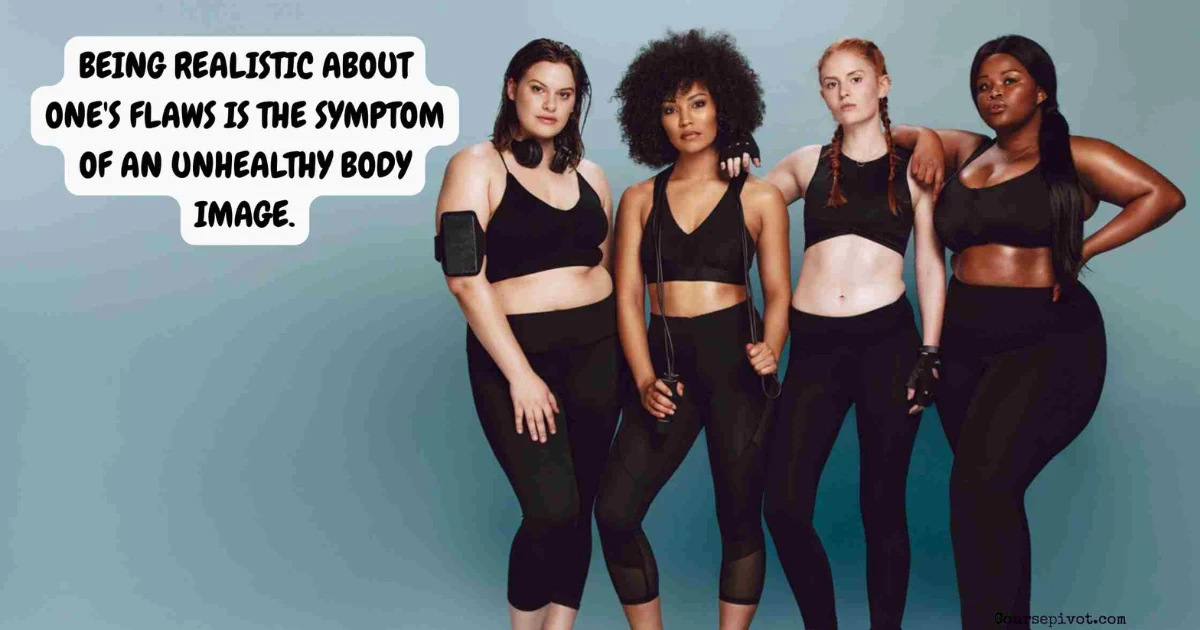

When we talk about body image, it’s easy to get caught up in extremes—either loving every inch of yourself or feeling trapped in a cycle of self-criticism. But what if Being Realistic About One’s Flaws Is the Symptom of an Unhealthy Body Image. In fact, acknowledging imperfections can be a sign of balance, self-awareness, and growth. This article explores why being honest about your flaws is not only normal but can also be a healthy part of self-acceptance. We’ll dive into what body image really means, why realism isn’t the same as negativity, and how to cultivate a healthy relationship with your body—all in a way that’s easy to understand for readers of all ages.
What Is Body Image, Anyway?
Body image is how you see yourself when you look in the mirror or picture yourself in your mind. It’s not just about your physical appearance but also how you feel about your body and how you think others perceive it. For some, body image is tied to confidence and self-esteem; for others, it can be a source of stress or insecurity.
Having a healthy body image doesn’t mean you think you’re perfect. It means you accept yourself—flaws and all—while still feeling worthy and capable. On the flip side, an unhealthy body image often involves distorted thinking, like obsessing over perceived flaws or comparing yourself to unrealistic standards (think airbrushed magazine covers or filtered social media posts).
But here’s the key: recognizing your flaws doesn’t automatically mean your body image is unhealthy. It’s all about how you process those flaws and whether they define your self-worth.
Why Being Realistic About Flaws Is Normal
Let’s get one thing straight—nobody’s perfect. Not you, not me, not the celebrities we see online. We all have things we’d like to change about ourselves, whether it’s a scar, a few extra pounds, or a feature we’ve never quite loved. Acknowledging these things isn’t a sign of self-hatred; it’s a sign of being human.
Being realistic about your flaws means seeing yourself clearly, without rose-colored glasses or harsh judgment. It’s about saying, “Yeah, I’ve got stretch marks, but they don’t make me less valuable.” This kind of honesty can actually be empowering because it shows you’re grounded in reality, not chasing an unattainable ideal or wallowing in negativity.
Here are a few reasons why recognizing your flaws is perfectly normal:
- It Shows Self-Awareness Knowing your imperfections means you’re paying attention to yourself. Self-awareness is the first step toward growth, whether it’s improving your health, building confidence, or simply accepting who you are.
- It Keeps You Grounded Pretending you’re flawless can lead to unrealistic expectations, which often backfire. Being real about your body helps you set achievable goals, like eating healthier or exercising for strength, rather than chasing a “perfect” look.
- It Fosters Resilience When you acknowledge your flaws without letting them define you, you build resilience. You’re less likely to crumble under criticism or societal pressure because you’ve already made peace with your imperfections.
The Difference Between Realism and Negativity
Here’s where things can get tricky. There’s a big difference between being realistic about your flaws and being overly critical or negative. An unhealthy body image often involves:
- Obsession: Constantly fixating on your flaws to the point where they overshadow everything else.
- Distortion: Seeing your body in a way that’s not accurate, like thinking you’re “too fat” when you’re at a healthy weight.
- Comparison: Measuring yourself against others, especially unrealistic ideals like influencers or models.
- Self-Worth Tied to Appearance: Believing your value as a person depends on how you look.
Being realistic, on the other hand, looks more like this:
- Balance: You notice your flaws but don’t let them dominate your thoughts.
- Accuracy: You see your body for what it is, not as a warped version of reality.
- Acceptance: You recognize imperfections but don’t feel they make you less worthy.
- Focus on Growth: You might want to improve certain aspects of your body (like fitness or skin health) without hating yourself in the process.
For example, someone with a healthy body image might say, “I’d love to tone my arms, so I’ll start strength training.” Someone with an unhealthy body image might say, “My arms are disgusting, and I’ll never look good.” The difference lies in tone, intent, and how much the flaw impacts their self-worth.
Why Society Gets It Wrong
We live in a world that bombards us with messages about how we “should” look. Social media, advertisements, and even well-meaning friends can make us feel like we need to be flawless to be valued. This creates a culture where acknowledging flaws feels like admitting defeat, when really, it’s just being honest.
Here are some societal factors that skew our perception of body image:
- Unrealistic Standards: Filters, Photoshop, and curated social media feeds create an illusion of perfection that’s impossible to achieve.
- Diet Culture: The constant push for quick-fix diets or extreme fitness plans can make us feel like our bodies are never “good enough.”
- Lack of Representation: Media often showcases a narrow range of body types, leaving many people feeling like they don’t measure up.
- Mislabeling Self-Criticism: Society sometimes equates any self-criticism with low self-esteem, when in reality, constructive self-reflection can be healthy.
The truth is, recognizing your flaws doesn’t mean you’re buying into these toxic messages. It means you’re cutting through the noise and seeing yourself as you are—perfectly imperfect.
How to Cultivate a Healthy Body Image
If being realistic about your flaws is healthy, how do you make sure it stays that way? Here are some practical, easy-to-follow tips to foster a positive body image while still acknowledging your imperfections:
1. Practice Self-Compassion
Treat yourself the way you’d treat a friend. If your best friend said, “I don’t like my nose,” you wouldn’t tell them they’re worthless—you’d remind them of their strengths. Do the same for yourself. When you notice a flaw, balance it with something you like about yourself, like your sense of humor or your strength.
2. Focus on What Your Body Does
Your body is more than its appearance—it’s a tool that helps you live your life. Whether it’s carrying you through a busy day, helping you hug your loved ones, or letting you enjoy your favorite hobbies, your body is doing incredible things. Shift your focus from how it looks to what it can do.
3. Limit Negative Influences
If social media or certain people make you feel bad about yourself, take a step back. Unfollow accounts that promote unrealistic standards, and surround yourself with positive, supportive voices. Curate your environment to uplift you, not tear you down.
4. Set Realistic Goals
If you want to change something about your body—like getting stronger or improving your skin—set goals that are specific and achievable. Instead of “I want to look like a model,” try “I want to walk 30 minutes a day to feel healthier.” Small, realistic steps lead to lasting change without the pressure of perfection.
5. Challenge Negative Thoughts
When you catch yourself thinking something harsh about your body, pause and ask: “Is this true? Is this helpful?” For example, if you think, “I’m too fat,” reframe it as, “My body is unique, and I’m working on being my healthiest self.” This takes practice, but it can shift your mindset over time.
6. Celebrate Your Uniqueness
Your flaws are part of what makes you, you. That scar on your knee? It’s a reminder of the time you fell off your bike and laughed it off. Those stretch marks? They tell the story of your body’s growth and resilience. Embrace the things that make you different—they’re your signature.
The Role of Mental Health in Body Image
Body image isn’t just about your physical self—it’s deeply tied to your mental and emotional health. Stress, anxiety, or low self-esteem can make it harder to see your body in a balanced way. If you find that your thoughts about your flaws are overwhelming or constant, it might be worth talking to a therapist or counselor. They can help you untangle your feelings and build a healthier relationship with your body.
It’s also important to recognize that body image issues can affect anyone, regardless of age, gender, or appearance. Teens might struggle with peer pressure, adults might face societal expectations, and older adults might grapple with changes due to aging. No matter where you are in life, you deserve to feel at peace with your body.
Common Myths About Body Image
Let’s debunk some myths that can cloud our understanding of body image:
- Myth 1: You Have to Love Your Body All the Time Reality: Even people with healthy body image have days when they don’t feel great about themselves. It’s normal to have ups and downs—what matters is how you bounce back.
- Myth 2: Acknowledging Flaws Means You Hate Yourself Reality: Noticing imperfections is part of self-awareness. It only becomes unhealthy if those flaws dominate your thoughts or self-worth.
- Myth 3: Body Image Issues Only Affect Young People Reality: Body image concerns can affect anyone at any age. From kids to seniors, everyone navigates societal pressures and personal insecurities.
- Myth 4: A Perfect Body Equals a Perfect Life Reality: Happiness and fulfillment come from within, not from achieving a certain look. A “perfect” body won’t magically solve all your problems.
How to Talk to Others About Body Image
If you notice a friend or family member struggling with their body image, here’s how you can support them:
- Listen Without Judgment: Let them share their feelings without jumping in with solutions or criticism.
- Avoid Appearance-Based Compliments: Instead of saying, “You look great,” try, “You seem so confident today!” This shifts the focus to their inner qualities.
- Encourage Professional Help: If their struggles seem intense, gently suggest talking to a counselor or therapist.
- Be a Positive Role Model: Show them what healthy body image looks like by speaking kindly about yourself and others.
A Final Word: Embrace the Real You
Being realistic about your flaws isn’t a symptom of an unhealthy body image—it’s a sign of strength, self-awareness, and authenticity. By acknowledging your imperfections without letting them define you, you’re taking a powerful step toward self-acceptance. In a world that’s constantly telling us to be “better,” choosing to be real is a radical act of self-love.
So, the next time you notice a flaw, don’t beat yourself up. Instead, give yourself a nod for being human, and focus on all the amazing things your body and mind can do. You’re not perfect—and that’s perfectly okay.
FAQs About Body Image
1. Is it normal to notice my flaws?
Yes! Noticing flaws is a normal part of being self-aware. It only becomes an issue if those flaws dominate your thoughts or make you feel unworthy.
2. How can I improve my body image?
Practice self-compassion, focus on what your body can do, limit negative influences, and challenge harsh thoughts. Therapy can also help if you’re struggling.
3. Does everyone struggle with body image?
Not everyone, but it’s common across all ages and backgrounds. Societal pressures and personal experiences can make body image a challenge for many.
4. Can social media hurt my body image?
Yes, especially if you’re exposed to unrealistic images or negative comments. Curate your feed to include positive, diverse voices that uplift you.
5. How do I help someone with body image issues?
Listen without judgment, avoid focusing on their appearance, and encourage them to seek professional support if needed. Be a positive role model by embracing your own imperfections.