
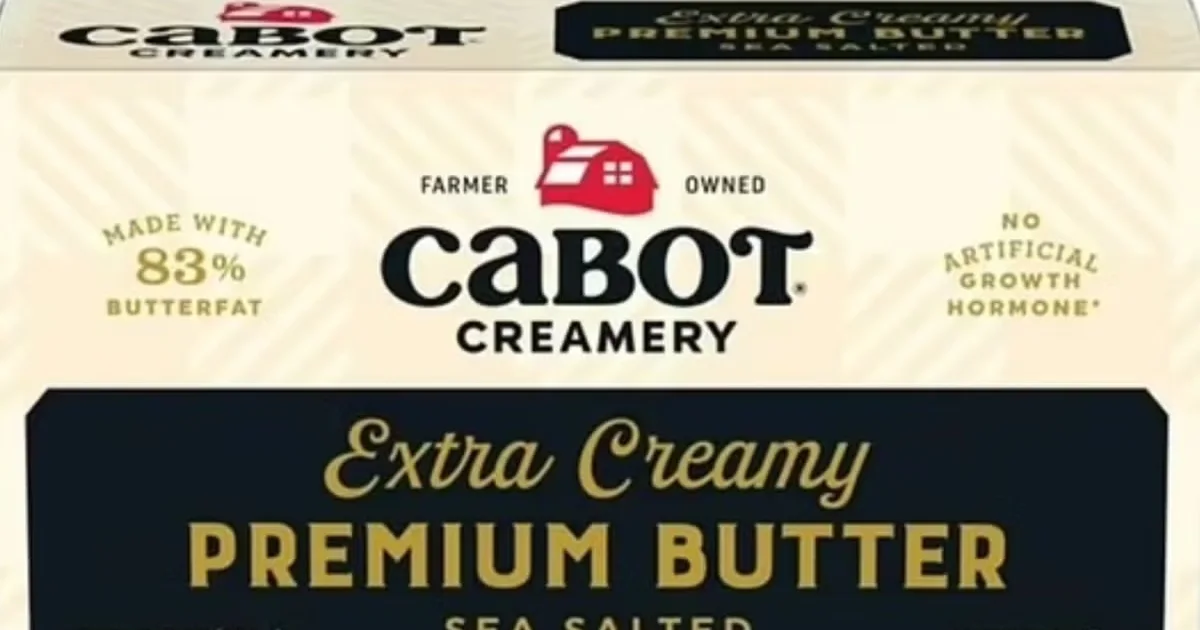

Hey there, folks. If you’re anything like me, butter is one of those kitchen staples that makes everything better—from a simple slice of toast to a fancy holiday dinner. But what happens when that trusty tub in your fridge might not be so trustworthy? That’s exactly what happened recently with Cabot Creamery Has Recalled 189 Cases of Butter Due to Coliform Bacteria, a beloved Vermont brand that’s been churning out top-notch dairy for over a century. In a move that caught the attention of butter lovers everywhere, Cabot issued a voluntary recall for 189 cases of their Extra Creamy Premium Sea Salted Butter due to elevated levels of coliform bacteria. Don’t worry—I’ll break it all down in plain English, so whether you’re a busy parent whipping up pancakes or a retiree enjoying a quiet morning coffee, you’ll know exactly what’s going on, why it matters, and what to do next.
This isn’t just a dry news report; think of it as a friendly chat over coffee. We’ll cover the who, what, when, where, and why of this Cabot butter recall, plus some tips to keep your family safe. And because knowledge is power, I’ll throw in a handy table to make checking your butter a breeze. Let’s dive in—your peace of mind (and your next butter purchase) depends on it.
A Quick Look at Cabot Creamery Has Recalled 189 Cases of Butter Due to Coliform Bacteria: Why This Brand Matters
Before we get into the nitty-gritty of the recall, let’s talk about Cabot for a sec. Founded way back in 1919 by a bunch of dairy farmers in Vermont, Cabot Creamery isn’t just any butter maker—it’s a co-op owned by over 1,200 farm families across the Northeast. They’re all about that farm-fresh goodness, using milk from grass-fed cows to create their award-winning products. That Extra Creamy Premium Sea Salted Butter? It’s a fan favorite for its rich, velvety texture and just the right hint of salt—perfect for baking cookies or slathering on corn on the cob.
Cabot’s got a stellar rep for quality, which is why this recall feels like such a curveball. But here’s the good news: recalls like this show that companies are paying attention and acting fast. It’s all part of keeping our food supply safe, and Cabot’s quick response is a testament to their commitment. No wonder they’ve won more than 100 awards from the American Cheese Society over the years. Still, when coliform bacteria enters the picture, it’s time to hit pause and pay attention.
The Scoop on the Cabot Butter Recall: What Exactly Happened?
Picture this: It’s early April 2025, and routine testing at Cabot’s facility uncovers something unexpected. Elevated levels of coliform bacteria in a specific batch of their 8-ounce Extra Creamy Premium Sea Salted Butter. Boom—recall alert! On April 9, the U.S. Food and Drug Administration (FDA) announced the voluntary recall, initiated by Cabot’s parent company, Agri-Mark Inc. This wasn’t a massive nationwide pull; it targeted just 189 cases, totaling about 1,701 pounds of butter.
Why 189 cases? Each case holds nine 8-ounce boxes, and each box packs two 4-ounce sticks—classic butter setup for your fridge door. The affected lot is marked with the code “090925-055” and a best-by date of September 9, 2025. If that sounds familiar, check your dairy shelf right now. The butter was shipped to stores and distributors in seven states: Arkansas, Connecticut, Maine, New Hampshire, New York, Pennsylvania, and Vermont. Vermont, being Cabot’s home turf, got the lion’s share of the distribution.
The best part? Cabot acted like pros. They recovered a whopping 99.5% of the product before it even hit store shelves—meaning only 17 packages (that’s 8.5 pounds or 34 sticks) actually made it to consumers, all in Vermont. As of now, no illnesses have been reported, and the FDA classified this as a Class III recall. In simple terms, that means it’s low-risk—not likely to make anyone sick, but better safe than sorry. Kudos to Cabot for transparency; they even shared a statement emphasizing their top-notch food safety standards.
To make it super easy, here’s a quick-reference table on the recall details. Print it out or save it to your phone—it’s your butter recall cheat sheet!
| Detail | Info |
|---|---|
| Product Name | Cabot Creamery Extra Creamy Premium Butter, Sea Salted |
| Packaging | 8-ounce cardboard box (two 4-ounce sticks) |
| Quantity Recalled | 189 cases (1,701 pounds total) |
| Lot Code | 090925-055 |
| Best-By Date | September 9, 2025 |
| Affected States | Arkansas, Connecticut, Maine, New Hampshire, New York, Pennsylvania, Vermont |
| Risk Level (FDA) | Class III (low risk, no adverse health effects expected) |
| Consumer Impact | Only 17 packages sold (all in Vermont); no illnesses reported |
| What to Do | Return to store for refund or discard; contact Cabot at 1-800-639-3198 |
See? Straightforward and no fluff. If your butter matches this, toss it or return it—your stomach will thank you.
Coliform Bacteria 101: Not as Scary as It Sounds (But Still No Joke)
Okay, let’s tackle the elephant—or should I say, the bacteria—in the room: coliform bacteria. I know “fecal contamination” sounds gross (because it is), but let’s demystify this without the yuck factor. Coliforms are a big family of bacteria that live in the guts of humans and animals, plus soil, plants, and water sources like rivers and lakes. Think of them as nature’s cleanup crew—they’re everywhere and mostly harmless.
The issue? Finding high levels in food like butter signals potential hygiene slip-ups during production, like unclean equipment or water sources. It’s not the coliform itself that’s usually the villain; it’s what it might hint at, like E. coli, a sneaky subgroup that can cause tummy troubles. Symptoms? We’re talking diarrhea, cramps, nausea, and maybe some vomiting—nothing fun, especially for kids, seniors, or folks with weakened immune systems.
In this Cabot case, tests showed “elevated levels,” but remember, it’s Class III. Most coliforms won’t hurt you, per experts at the Centers for Disease Control and Prevention (CDC). Still, why risk it? Food safety tests for coliform as a red flag to catch bigger problems early. It’s like your car’s check-engine light—not always a breakdown, but worth checking.
Fun fact to lighten things up: Coliform testing has been a dairy industry standard since the early 1900s, helping keep our milk and butter safe. Without it, we’d have way more headlines like this. So, while this recall is a bummer, it’s proof the system works.
Why Food Recalls Happen: A Peek Behind the Curtain
Food recalls aren’t rare— the FDA handles thousands each year—but they’re always a wake-up call. This Cabot butter recall stems from routine “finished-product testing,” where samples get lab-scrutinized for nasties like bacteria. When coliform pops up high, companies pull the plug fast to avoid any “what ifs.”
Broader picture? Dairy products are prime recall candidates because they’re perfect breeding grounds for bacteria if things go awry. Milk from cows, pasteurization mishaps, or even packaging glitches can introduce contaminants. But here’s the reassuring bit: Voluntary recalls like Cabot’s mean the company spots the issue before consumers do. Compare that to forced recalls, which often follow complaints or outbreaks—much messier.
In recent years, we’ve seen recalls for everything from Listeria in ice cream to Salmonella in peanut butter. The Cabot case is mild by comparison, but it reminds us: Even trusted brands aren’t immune. Climate change, supply chain tweaks, and rising demand for “natural” products can up the ante on contamination risks. Yet, thanks to regs from the FDA and USDA, incidents like this drop reported illnesses by 90% compared to decades ago.
Health Risks from Coliform in Butter: Should You Panic?
Short answer: Nope. Long answer: Let’s chat risks. Since this is Class III, the FDA says exposure “is not likely to cause adverse health consequences.” Most coliform strains are chill—your body handles them daily from veggies or water. But if E. coli tags along (a fecal coliform cousin), it could lead to foodborne illness, hitting hardest in vulnerable groups.
Kids under 5 or over 65? Extra cautious. Same for pregnant folks or those with conditions like diabetes. Symptoms kick in 1-10 days post-exposure: Think upset stomach, fever, dehydration. Rare cases escalate to hemolytic uremic syndrome (HUS), a kidney issue, but that’s super uncommon with butter—it’s not like undercooked beef.
No reports here, though, which is huge. If you’ve got the butter and feel off? Call your doc, but odds are it’s unrelated. Hydrate, rest, and maybe swap butter for olive oil on that toast for a bit.
What Should You Do If You Bought the Recalled Cabot Butter?
Action time! First, raid your fridge. Grab that 8-ounce box with the matching lot code and date. If it’s there, don’t spread it—toss it in the trash (wrapped up to avoid animal nibbles) or return it to the store for a refund. Cabot’s hotline is 1-800-639-3198; they’re friendly and ready to help.
Not in the seven states? You’re probably fine—this was targeted distribution. But if you’re a Cabot superfan, double-check online via the FDA’s recall page or Cabot’s site. Pro tip: Snap a photo of the label before ditching it; stores love proof.
Worried about alternatives? Stock up on verified-safe butters— Kerrygold or Land O’Lakes are solid. Or go wild: Make your own with heavy cream and a mixer. It’s easier than it sounds and way cheaper.
Cabot’s Response: Handling the Recall Like Champs
Cabot didn’t just issue a recall; they owned it. Their statement? “Food safety is our highest priority,” with details on swift recovery and no other products affected. Agri-Mark’s team traced the lot, notified retailers, and yanked it pronto. Consumers? A tiny fraction impacted, all alerted via store postings.
This transparency builds trust. Past Cabot hiccups? Minimal—mostly minor label issues. Their farm-to-table ethos, with regular audits, shines here. Post-recall, expect tighter testing; it’s how brands level up.
Everyday Tips to Avoid Food Recalls and Stay Safe
Recalls happen, but you can play defense. Start with smart shopping: Check dates, buy from reputable spots, and scan FDA alerts weekly (their app is a gem). At home, fridge at 40°F or below—bacteria hate the cold. Wash hands, counters, and tools religiously; it’s your first line against cross-contamination.
Dairy-specific? Thaw frozen butter in the fridge, not counter. Use within weeks of opening. And diversify: Mix in margarine or plant-based spreads for variety (and health perks like lower cholesterol).
For families, make it fun—turn recall checks into a game. “Butter detective!” Spot the code, win a high-five. Education early keeps everyone vigilant.
Wrapping It Up: Butter On, But Smarter
Whew—that was a lot, but here’s the takeaway: The Cabot Creamery Has Recalled 189 Cases of Butter Due to Coliform Bacteria is a minor blip in a safe food world. Quick action means minimal harm, and it’s a reminder to stay informed. Love Cabot? Keep buying their other stuff; this was a one-lot fluke. Got questions? Hit up the FDA or Cabot directly.