
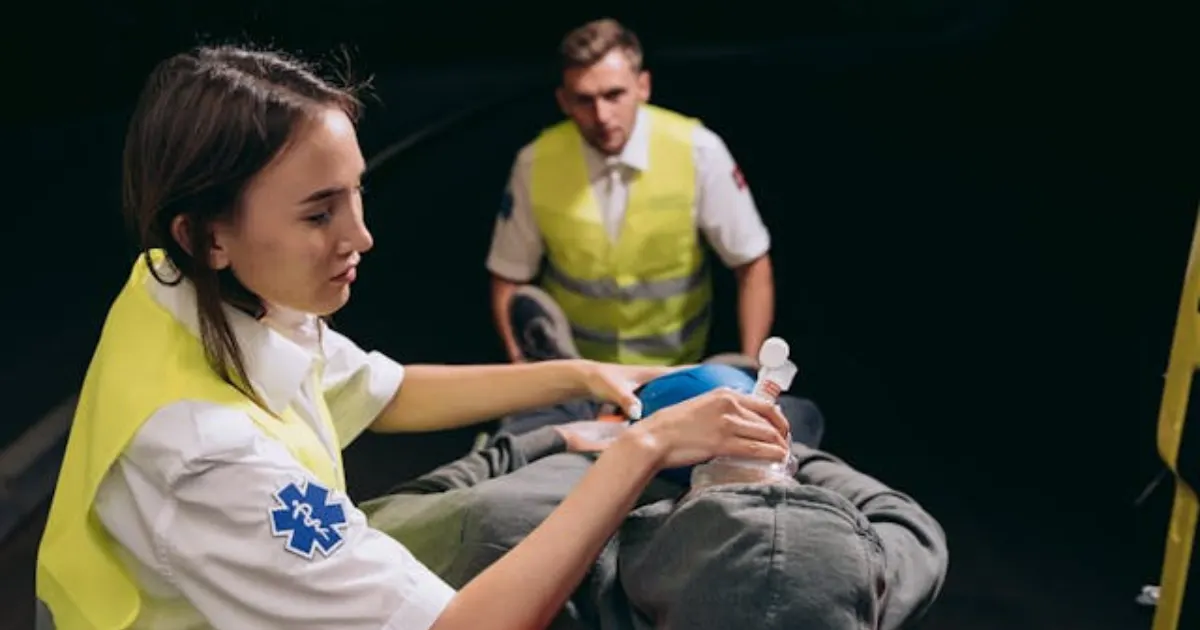

Have you ever been in a situation where someone suddenly collapsed, started choking, or complained of crushing chest pain? In those heart-pounding moments, one question races through your mind: “Should I call 911 right now?” The answer is often YES—and calling Emergency Medical Services (EMS) can mean the difference between life and death.
This guide is written for everyone—parents, teachers, coaches, office workers, grandparents, and teens. We’ll break down exactly when to activate EMS for adults and adolescents in plain, everyday language. No medical degree needed. Just clear signs, simple steps, and a handy table you can bookmark or screenshot.
What Is EMS and Why Does It Matter?
For Adults/Adolescents, You Should Call/Activate Ems: stands for Emergency Medical Services. When you dial 911 (or your local emergency number), trained paramedics, EMTs, and firefighters rush to the scene with life-saving tools: defibrillators, oxygen, medications, and advanced training.
Fun fact: Calling EMS doesn’t just send an ambulance—it activates an entire chain of survival. Dispatchers guide you, first responders arrive within minutes, and hospitals prepare trauma teams.
But here’s the catch: Delays kill. The average person’s brain starts dying after 4–6 minutes without oxygen. Heart attack survival drops 7–10% every minute without CPR or defibrillation.
Bottom line: If you’re unsure, call anyway. It’s always better to have help coming than to wait too long.
Golden Rule: “When in Doubt, Call It Out!”
EMS professionals say it best:
“We’d rather respond to 100 false alarms than miss one real emergency.”
Never feel embarrassed. Dispatchers are trained to ask quick questions and decide the right response.
Top 10 Life-Threatening Signs: CALL EMS IMMEDIATELY
Here’s your easy-to-scan emergency checklist. If any one of these happens to an adult or teen, activate EMS now.
| Emergency Sign | What It Looks Like | Why It’s Urgent |
|---|---|---|
| 1. No breathing or only gasping | Person stops breathing, makes gurgling/snorting sounds, or turns blue | Brain and organs need oxygen NOW. |
| 2. Sudden collapse / unconscious | Falls to the ground, doesn’t wake when shaken or shouted at | Could be cardiac arrest, stroke, seizure, or overdose. |
| 3. Severe chest pain or pressure | Crushing, squeezing, or heavy pain in chest; may spread to jaw, arm, back | Heart attack—every minute without care damages the heart. |
| 4. Sudden severe headache (“worst ever”) | Explosive headache, vision loss, vomiting, confusion | Possible brain bleed or stroke. |
| 5. Stroke symptoms (FAST) | Face drooping, Arm weakness, Speech slurred, Time to call | Brain cells die fast—treatment works best in first 3 hours. |
| 6. Severe bleeding that won’t stop | Blood spurting or soaking through clothes in under 5 minutes | Can lead to shock and death in minutes. |
| 7. Choking (can’t speak or breathe) | Clutching throat, silent coughing, turning purple | Airway blocked—brain damage in 4 minutes. |
| 8. Seizure lasting >5 minutes | Shaking, stiffening, eyes rolling back—doesn’t stop | Risk of brain damage or breathing failure. |
| 9. Signs of overdose (opioids, drugs, alcohol) | Pinpoint pupils, slow/shallow breathing, blue lips, unresponsive | Naloxone (Narcan) may be needed—EMS carries it. |
| 10. Major trauma (car crash, fall, stabbing) | Broken bones sticking out, head injury with confusion, heavy bleeding | Internal injuries can worsen fast. |
Pro Tip: Save this table on your phone. Share it with family, coworkers, and teens.
Real-Life Examples: When to Call EMS (Stories You’ll Relate To)
Story 1: The “Indigestion” That Wasn’t
Mark, 48, felt tight in his chest after dinner. “Probably heartburn,” he thought. His wife noticed sweating and pale skin. She called 911. Result: Heart attack. EMS gave aspirin and rushed him to the cath lab. He survived.
Lesson: Chest pain + sweating, nausea, or shortness of breath = CALL.
Story 2: The Teen Who “Just Fainted”
Jasmine, 16, collapsed at soccer practice. Coach thought she was dehydrated. She wasn’t waking up. A parent called 911. Result: Cardiac arrhythmia. EMS shocked her heart back. She’s alive and playing again.
Lesson: Teens can have heart issues too. Never assume “they’re young.”
Story 3: The Silent Choker
Grandma Rose, 78, was eating steak. Suddenly silent, hands at throat. Grandson recognized the universal choking sign and called 911 while starting Heimlich. Result: Food dislodged, but she needed oxygen. EMS saved the day.
Lesson: If choking and can’t cough/talk—call first, help second.
Special Cases: When Teens & Adults Need EMS (Even If They Say “I’m Fine”)
Adolescents often downplay symptoms. Adults may tough it out. Don’t let pride cost a life.
| Situation | Red Flags | Action |
|---|---|---|
| Mental health crisis | Talking about suicide, self-harm, extreme agitation | Call 911 or 988 (Suicide & Crisis Lifeline) |
| Allergic reaction (anaphylaxis) | Hives + swelling, wheezing, dizziness after food/bee sting | Use EpiPen if available, then call EMS |
| Heat stroke | Hot dry skin, confusion, no sweating, body temp >104°F | Cool them + call 911 |
| Diabetic emergency | Confusion, shaking, seizures, fruity breath | Give sugar if conscious, call EMS |
| Asthma attack (severe) | Can’t speak full sentences, lips blue, rescue inhaler not helping | Call 911—don’t wait |
What to Do While Waiting for EMS (You Can Save a Life!)
You don’t need to be a doctor. Just follow these 3 simple steps:
1. Stay Calm & Speak Clearly to 911
- Give exact location (address, landmarks).
- Describe what happened and how the person looks.
- Put phone on speaker—dispatcher will coach you.
2. Start Hands-Only CPR (if no pulse/breathing)
- Push hard and fast in center of chest (100–120 beats/min).
- Song tempo? Think “Stayin’ Alive” by Bee Gees.
- No mouth-to-mouth needed for adults/teens.
3. Grab an AED (if available)
- Found in schools, malls, gyms, offices.
- Machine talks to you—just follow voice prompts.
Did you know? Bystander CPR doubles or triples survival odds.
How to Teach Teens When to Call EMS (Empower the Next Generation)
Teens are often first on the scene—babysitting, at parties, or with grandparents. Teach them 3 magic words: “Better safe than sorry.”
Quick Lesson Plan for Parents/Teachers:
- Show the table above (print or share digitally).
- Role-play scenarios: “What if your friend passes out at a party?”
- Practice saying:
“Hi, I need an ambulance. My friend isn’t breathing. We’re at [address].”
Add 911 simulation apps (like “PulsePoint” or “EMS Simulator”) for fun practice.